Now on view
Featured Works and Installations
Featured Works and Installations
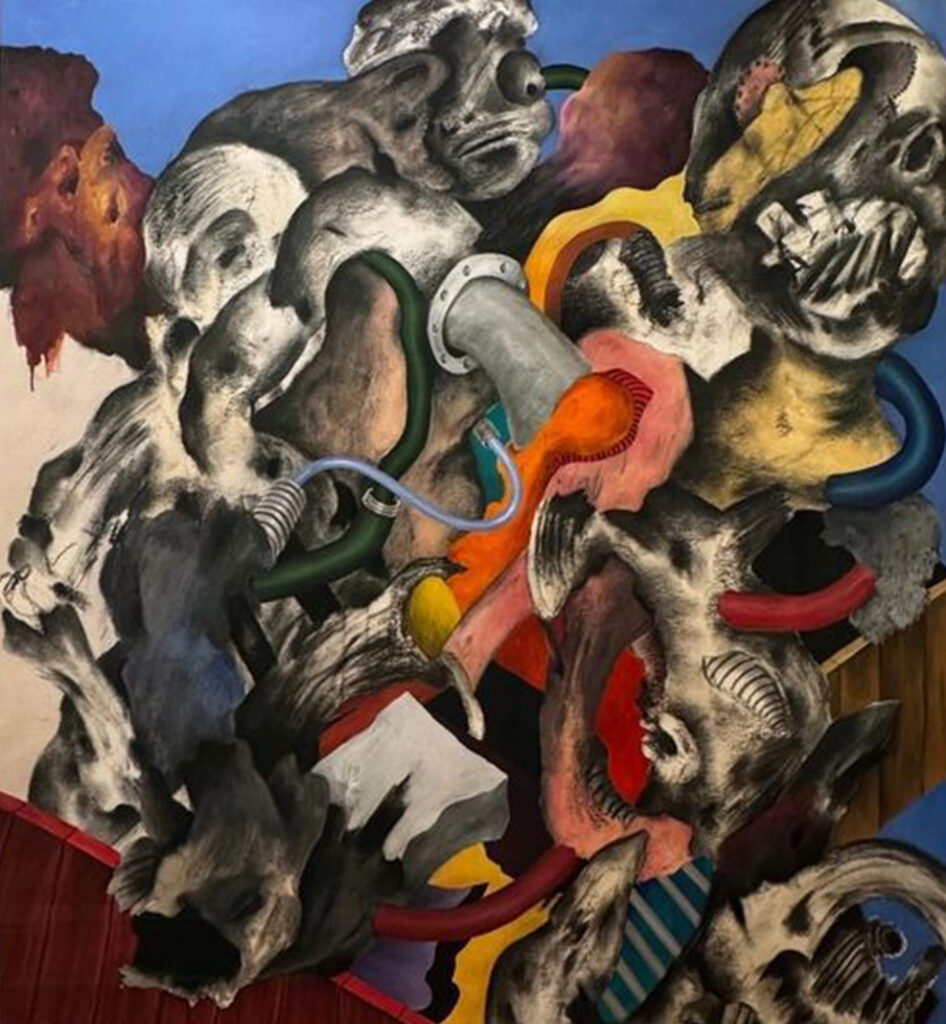
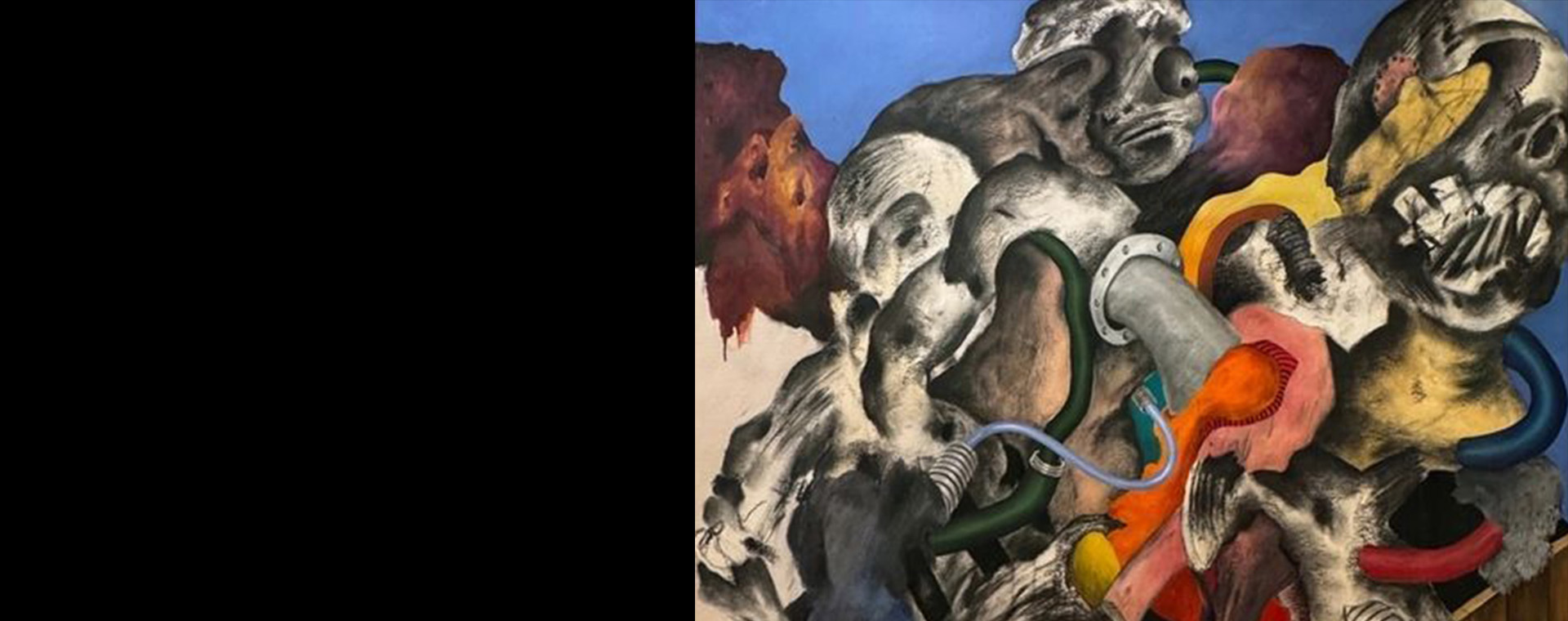
Alsoudani’s Untitled
One drawing each by Diana Al-Hadid and Ahmed Alsoudani— on loan from a private collection—bring a counterpoint to the calm and timeless atmosphere of the Twin Oaks foyer this summer. These two internationally-celebrated contemporary artists are sometimes shown together since their practices are shaped by the experiences of conflict, migration, and cultural transformation. For as different as the two works are visually, both are rooted in a dialogue with the rupture and fragmentation that characterize many people’s perspective on life today.
Al-Hadid’s Untitled
Al-Hadid (b. 1981 in Aleppo) and Alsoudani (b. 1975 in Baghdad) create deeply personal works that speak to broader questions of identity, memory, resilience, and belonging. Both were displaced by armed conflict in the Middle East and emigrated to the United States. They pursued their artistic training (focused on painting) at our nation’s leading art schools and successfully pursue their global careers from studios based in Brooklyn. Their paintings, drawings, and murals move within each artist’s perspectives on their lived experience and imagination. Both weave together fragments of history, mythology, and contemporary life to create powerful works of art that resonate broadly.
Both artists are part of an influential generation of diasporic Muslim voices whose work has helped redefine the contemporary art landscape in New York and beyond. Presented in dialogue, these two works invite viewers to consider how personal histories can illuminate shared human experiences, revealing the enduring power of art to transcend borders and bear witness to both loss and possibility.
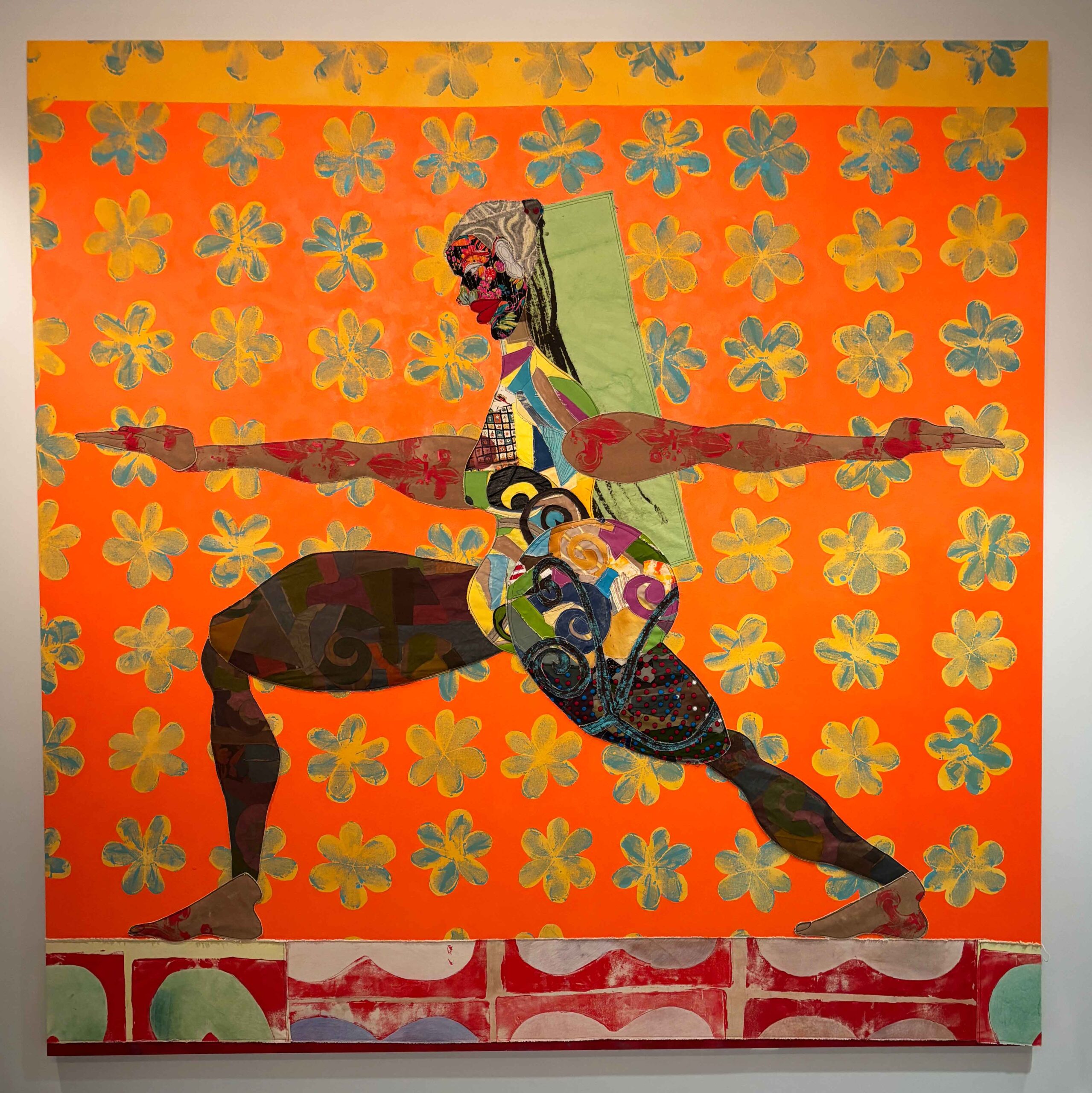
In Heroine No. 2, a female figure stands in the Virabhadrasana II, or Warrior II, yoga pose. The body, constructed with fabric, is surrounded by a pattern of vivid flowers, creating a connection between the woman’s unmovable strength and femininity. By using motifs and materials typically associated with femininity, Hudson Valley-based artist Tschabalala Self casts the Black female body as a powerful protagonist in her work. Crafting such narratives is her artistic priority, as she explores the backgrounds of her canvases as “liminal spaces,” in which Black women can transcend their restrictive social spaces and stereotypes.
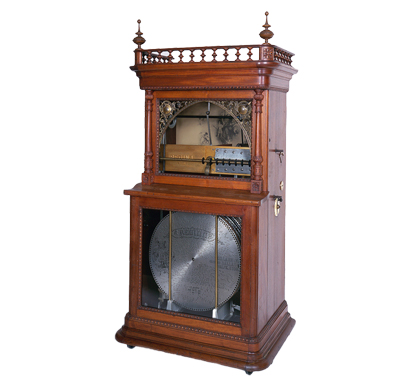
This remarkable example of mechanical music, donated to the Museum by Murtogh Guinness’ sister, Lady Normanby, recently underwent significant funder-supported restoration.
Leadership support for this exhibition is provided by Will and Mary Leland.


We are happy to help you with any events you would like to have with us!
We are happy to have you join us and look forward to seeing you in person!