November 19, 2026 – April 18, 2027
Tiffany
Luminary of the Gilded Age
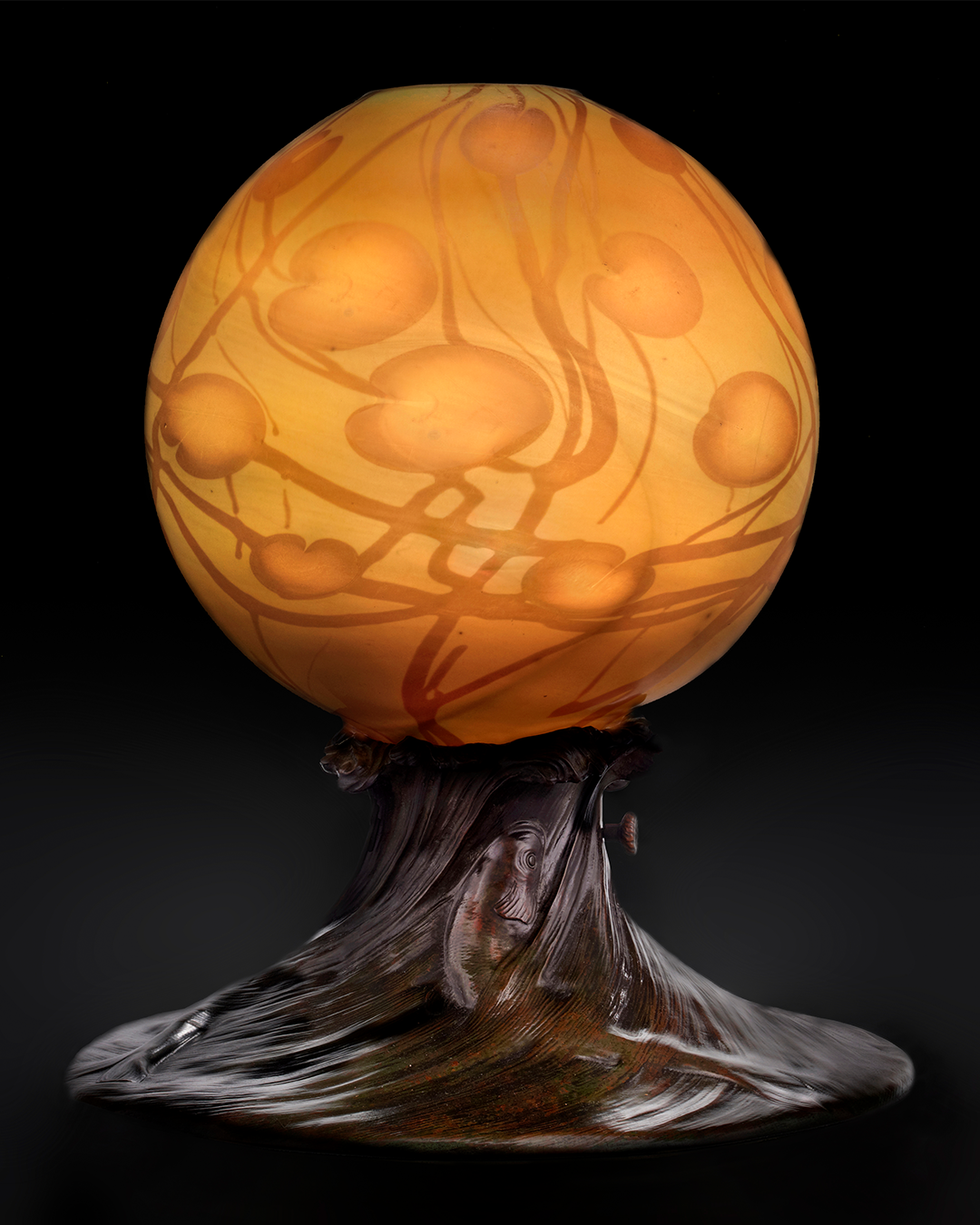
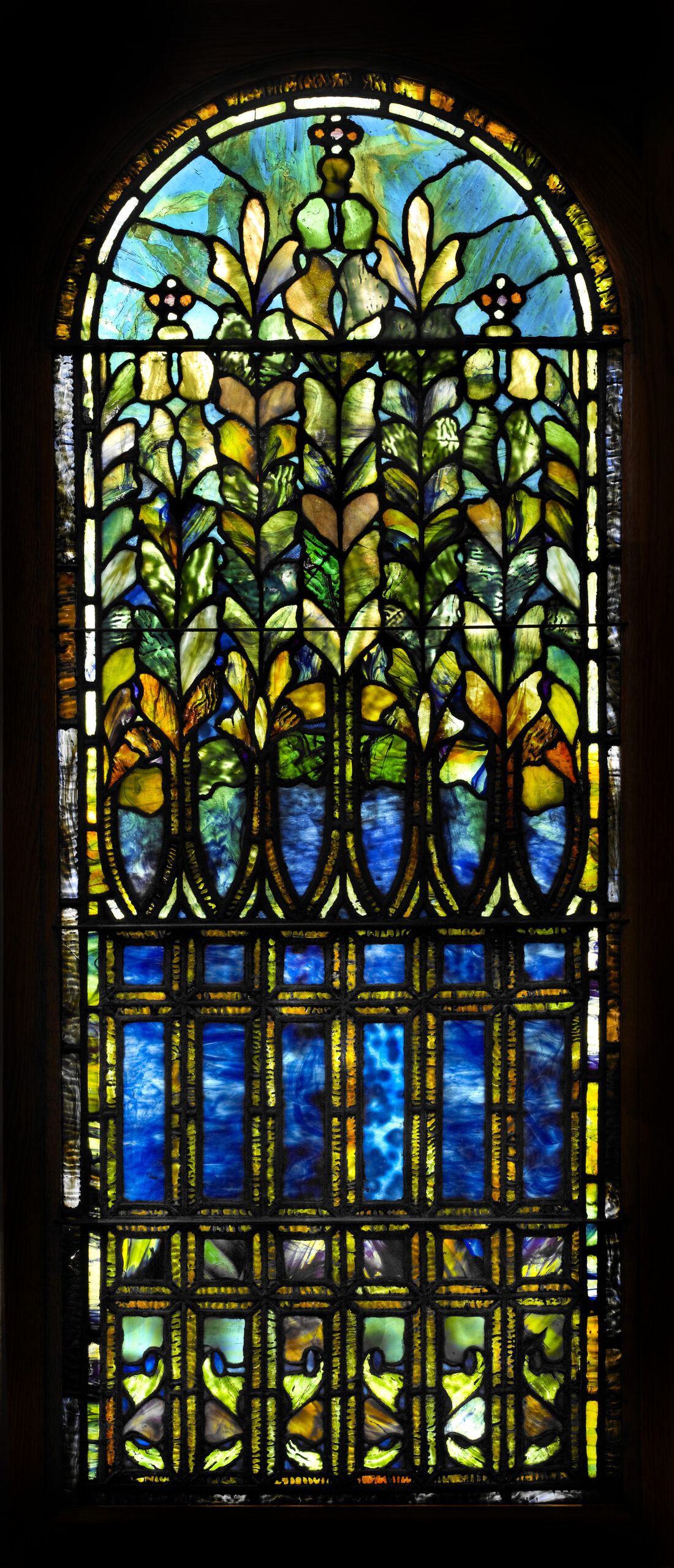
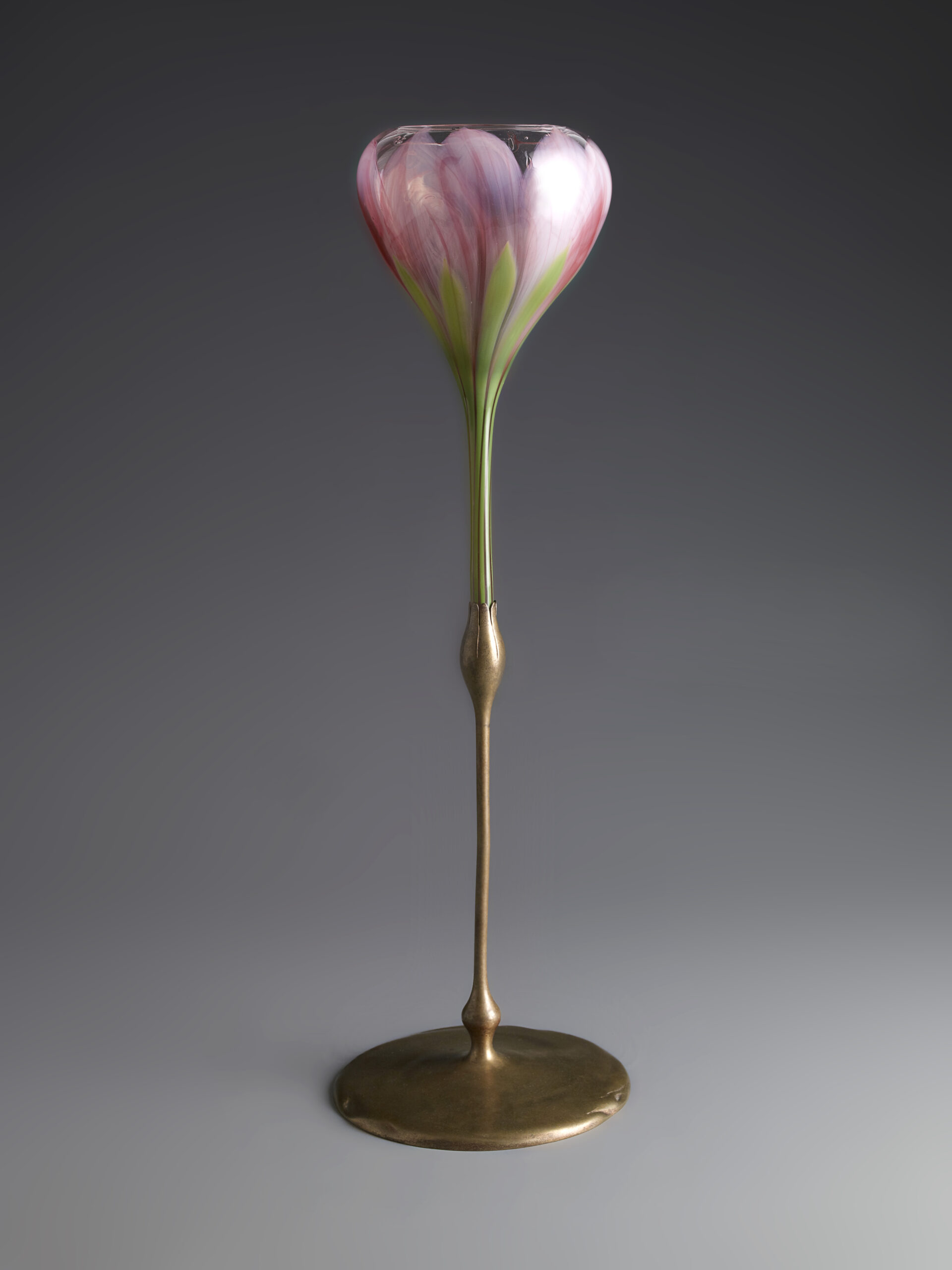
The exhibition brings together 30 stunning works of American design that emanate from the expansive and innovative work of the Tiffany legacy, foremost the enterprising designs of Louis Comfort Tiffany (1848–1933) and his collaborative workshops L. C. Tiffany & Co. (founded 1879), Tiffany Glass & Decorating Co. (founded 1882), and Tiffany Studios (founded 1900). A suite of glass tiles (1881) and two Favrile glass vessels from the Museum’s collection are joined by an exceptional selection of vases, windows and watercolor designs for windows, lamps, a firescreen, and other works of the decorative arts on loan from the renowned Richard H. Driehaus Collection of Chicago. Together, they offer a look at Tiffany’s artistic vision and his lasting influence on American taste.
Louis Comfort Tiffany was one of the most creative and prolific designers of the late nineteenth and early twentieth centuries, a master designer whose workshops contributed to the Aesthetic Movement and Art Nouveau. Distinct from his father’s china and silver business, Tiffany & Co., he assembled a talented cadre of men and women designers and craftsmen working across glass, metalwork, jewelry, interiors, and the decorative arts. Collectively, they pursued Tiffany’s vision, which he himself called a lifelong “quest of beauty.” Through color, craftsmanship, and a deep connection to nature, the work they produced transformed everyday objects into something extraordinary and defined a distinctly American aesthetic of international reputation.
He grew up in New York City, the son of Tiffany & Co. founder Charles Lewis Tiffany. He chose painting over college, and his travels in Europe and North Africa left him hungry for rich, saturated color. He soon turned to the decorative arts, convinced that beauty belonged in everyday objects, and co-founded a design firm that decorated some of the most fashionable interiors in America, including the Mark Twin House (Hartford, CT, 1881) and several rooms (long since renovated) in the White House (1882). Seeking more color depth than traditional stained glass could offer, he developed Favrile glass, an iridescent glass with color worked into the material itself. It became the heart of his work, from lamps and vases to windows and mosaics. His studios mastered metalwork, pottery, and jewelry. He took his cues from flowers, dragonflies, and water, and the result was a body of work that still shapes how we think about American design.




We are happy to help you with any events you would like to have with us!
We are happy to have you join us and look forward to seeing you in person!